


-

Add: HeBei ShengShi HongBang Cellulose Technology CO.,LTD.
-

Email
13180486930@163.com -

CONTACT US
+86 13180486930




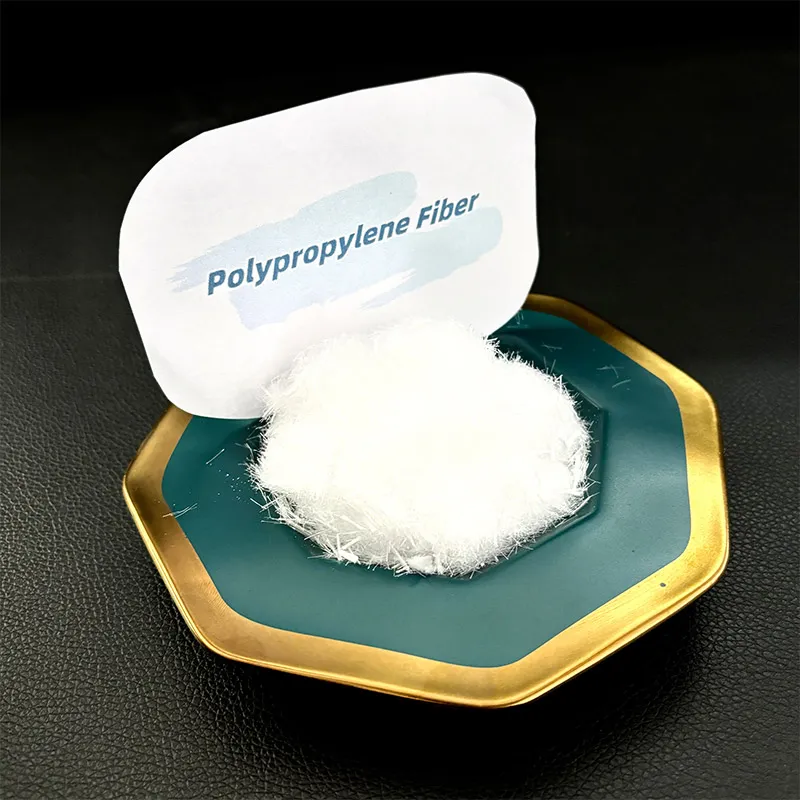
Le Polypropylène Un Acteur Clé dans l'Industrie des Matériaux Le polypropylène, un polymère thermoplastique issu de la polymérisation du propylène, est devenu un matériau incontournable dans diverses industries. Il est largement utilisé en raison de sa polyvalence, de sa légèreté, et de sa résistance aux produits chimiques. Son utilisation s'étend des emballages aux textiles, en passant par les composants automobiles et les biens de consommation. Propriétés du Polypropylène Le polypropylène se distingue par plusieurs propriétés qui en font un choix privilégié pour de nombreuses applications. Tout d'abord, ce matériau est exceptionnellement résistant à la chaleur, ce qui le rend adapté à des environnements où d'autres plastiques pourraient fondre ou se déformer. De plus, il présente une excellente résistance aux chocs, une durabilité qui lui permet de résister à un usage intensif, et il est également imperméable à l'eau, ce qui le rend utile pour les produits ayant des besoins de résistance à l'humidité. Une autre caractéristique remarquable du polypropylène est sa légèreté. Cela permet de réduire le poids des produits finaux, ce qui est particulièrement avantageux dans l'industrie automobile où chaque kilogramme économisé peut améliorer l'efficacité énergétique des véhicules. Enfin, le polypropylène est recyclable, ce qui est essentiel dans une époque où la durabilité et la réduction des déchets sont des préoccupations majeures. Applications du Polypropylène produsen serat polipropilen Les applications du polypropylène sont vastes et variées. Dans le secteur de l'emballage, par exemple, il est utilisé pour fabriquer des films d'emballage, des containers et des bouteilles en plastique. Sa résistance à l'humidité et aux produits chimiques le rend idéal pour les matériaux d'emballage alimentaires, contribuant ainsi à prolonger la durée de conservation des produits. Dans l'industrie textile, le polypropylène est utilisé pour fabriquer des non-tissés, des vêtements, et des tapis. Sa capacité à être teint et à conserver sa forme en fait un choix idéal dans la mode et le design d'intérieur. De plus, dans le secteur automobile, le polypropylène est utilisé pour des pièces intérieures, des panneaux de porte et des composants structuraux, offrant une combinaison de légèreté et de robustesse. Avantages Environnementaux L'un des avantages les plus significatifs du polypropylène est sa recyclabilité. De nombreux pays ont mis en place des systèmes de collecte pour encourager le recyclage des plastiques, y compris le polypropylène. En repensant notre approche de l'utilisation des plastiques, nous pouvons contribuer à la réduction des déchets plastiques dans les décharges. De nombreuses entreprises se tournent vers des matériaux recyclés pour produire de nouveaux produits en polypropylène, favorisant ainsi une économie circulaire. Conclusion En somme, le polypropylène représente un matériau essentiel dans le monde moderne. Sa combinaison unique de propriétés, sa légèreté, sa résistance et sa recyclabilité en font un choix idéal pour une multitude d'applications. Alors que le monde continue de se concentrer sur la durabilité et l'innovation, le polypropylène est bien positionné pour jouer un rôle de leader dans le développement de solutions matérielles durables et efficaces. L'avenir du polypropylène semble prometteur, tant pour les producteurs que pour les consommateurs, dans un monde où les choix de matériaux durables sont de plus en plus déterminants.
- 40000tons

Production
- 20+years

Experience
- 5000+㎡

Acreage

-
Exploring the World of Fibers A Dive into Natural and Synthetic Choices In the ever-evolving landscape of textile manufacturing, fibers remain at the heart of innovation and design. Recognized for their versatility and integral role in fabric production, both natural and synthetic fibers present compelling choices that cater to diverse consumer needs. Understanding the distinctions between these fibers not only equips consumers with the knowledge to make informed purchasing decisions but also fosters appreciation for the nuanced craftsmanship intrinsic to textile production. Natural fibers, sourced from nature without excessive chemical processing, have been pivotal in human civilization for millennia. Cotton, linen, wool, and silk stand as quintessential examples. Cotton, revered for its breathability and softness, is a staple in garments and household items, offering comfort in every stitch. Linen, derived from the flax plant, provides remarkable strength and longevity, making it ideal for durable clothing and home textiles. Wool, sourced from sheep and other animals, boasts unequaled insulation properties, embodying warmth and resilience even in extreme conditions. Silk, the product of diligent silkworms, exemplifies luxury with its lustrous sheen and smooth texture. Each natural fiber contributes unique attributes—cotton's hypoallergenic qualities, linen's natural antibacterial features, wool’s moisture-wicking capability, and silk’s natural thermal regulation—establishing them as timeless choices in textile design. Beyond their physical properties, the environmental impact of natural fibers is a key consideration. They are biodegradable and often cultivated in sustainable farming systems, promoting an eco-friendly lifestyle that resonates with environmentally-conscious consumers. Parallel to the charm of natural fibers is the realm of synthetic fibers, products of human ingenuity and chemical synthesis. Polyester, nylon, acrylic , and spandex are emblematic figures in this category. Polyester dominates the textile market with its outstanding durability, wrinkle resistance, and affordability, making it ubiquitous in everything from everyday wear to industrial applications. Nylon, renowned for its strength and elasticity, is transformative in applications where robustness is paramount, such as active wear and specialized equipment. Acrylic provides the warmth and comfort akin to wool but at a fraction of the cost, catering to sectors where affordability meets necessity. Spandex, synonymous with stretch and flexibility, revolutionizes the fit and comfort of garments, especially in athletic and active wear. fibers natural and synthetic The allure of synthetic fibers lies in their adaptability and performance-enhancing characteristics. Advances in textile technology have minimized the tangible drawbacks of synthetic fibers, such as moisture retention and environmental impact, through innovations like moisture-wicking treatments and recyclable synthetics that mitigate ecological footprints. In the context of product selection and development, comprehending the synergistic potential of natural and synthetic fibers is instrumental. Blending these fibers can yield fabrics that encapsulate the strengths of both worlds, optimizing performance, comfort, and sustainability in a single product. For instance, a cotton-polyester blend can combine the softness and breathability of cotton with the durability and wrinkle resistance of polyester, catering to multifaceted consumer demands. To navigate the labyrinth of choices, it is essential for brands and manufacturers to align their offerings with consumer expectations focusing on Experience, Expertise, Authoritativeness, and Trustworthiness (EEAT). Communicating the tangible benefits and sustainable practices involved in fiber production can forge stronger bonds with consumers seeking transparency and accountability. Providing detailed insights into the provenance of natural fibers or the cutting-edge technologies behind synthetic fiber innovations enhances brand authority and fosters consumer trust. Navigating the intricate ecosystem where natural and synthetic fibers converge underscores the importance of informed choice. Equipped with a nuanced understanding of fiber characteristics, consumers are empowered to select products that not only meet their functional needs but also respect their personal values and environmental concerns.
-
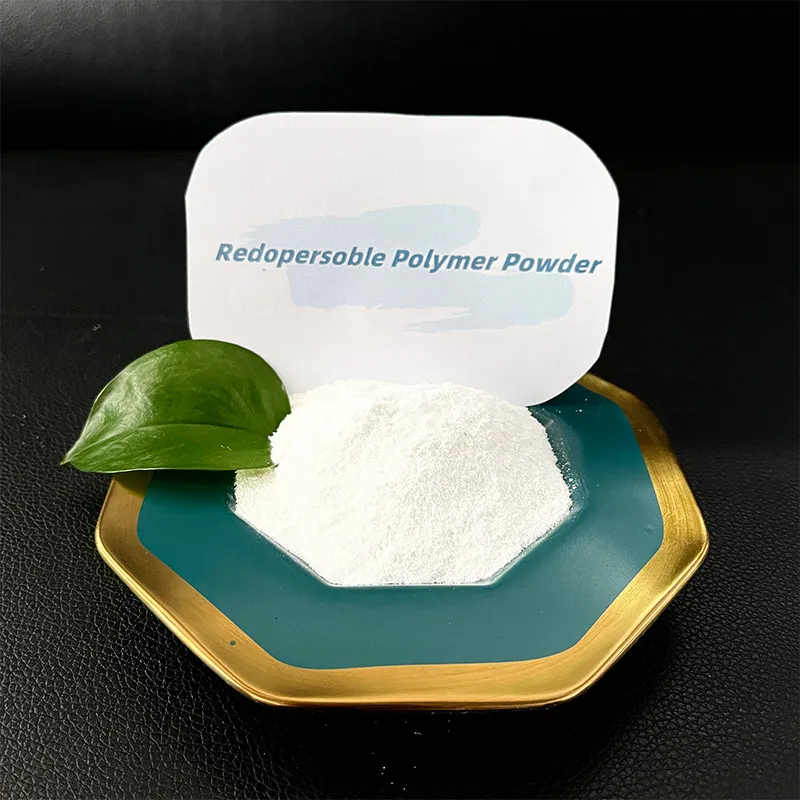
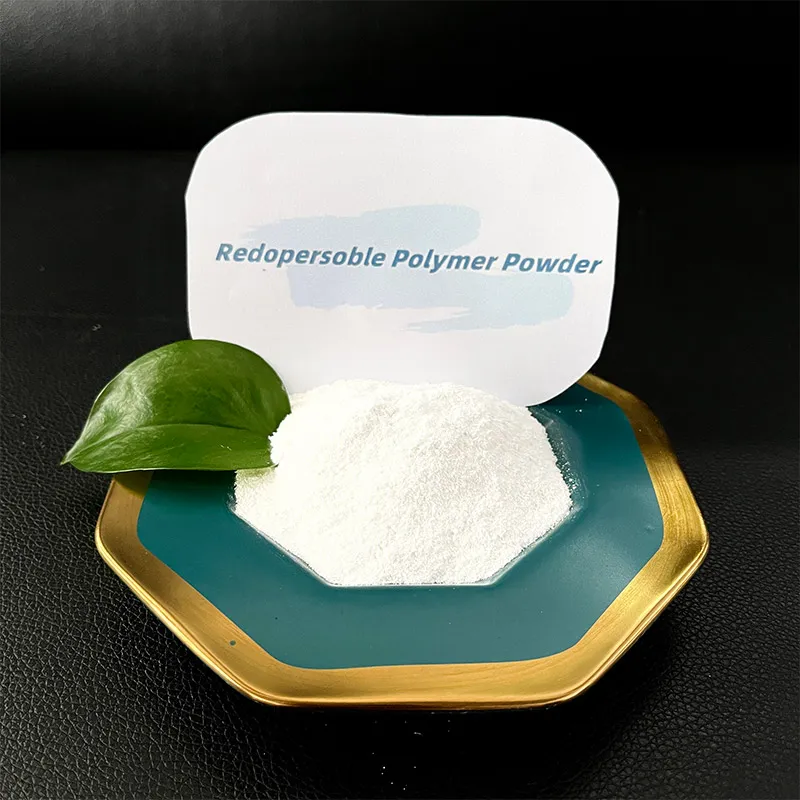
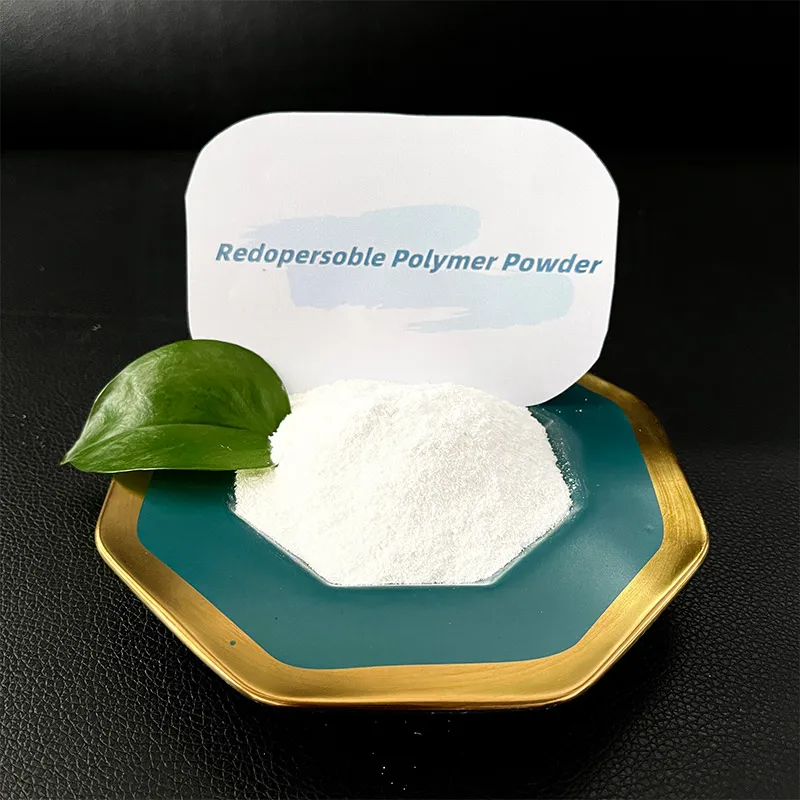
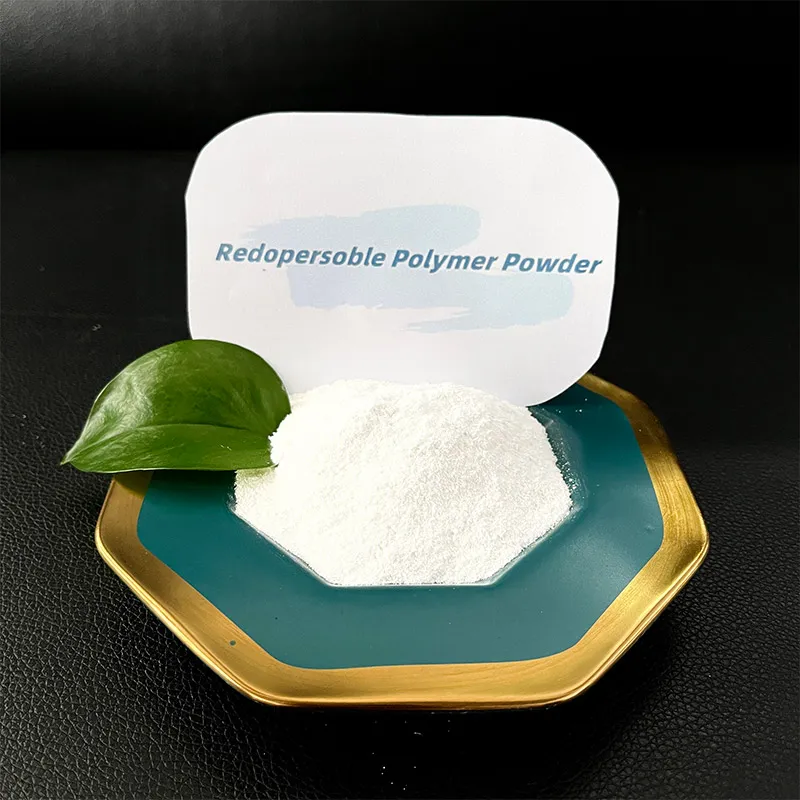
Redispergable Latex Powder An Innovative Solution in the Coating Industry In recent years, the demand for high-performance materials has driven significant advancements in various industries, particularly in coatings, adhesives, and sealants. One such innovation that has emerged is redispergable latex powder (RLP). This remarkable product has transformed the way professionals approach construction, manufacturing, and various applications where flexibility and durability are paramount. What is Redispergable Latex Powder? Redispergable latex powder is a form of polymer that can be reconstituted in water to form a stable dispersion. This biocompatible powder is created by transforming liquid latex into a dry form while maintaining its versatility and performance characteristics. When mixed with water, the powder redisperse back into a smooth, homogeneous emulsion, making it a preferred choice for many applications. Properties and Benefits The redispergable latex powder possesses several benefits that make it an attractive option for manufacturers and construction professionals 1. Ease of Use The transition from powder to liquid form allows for easier storage and transportation. The lightweight nature of RLP reduces shipping costs and enables manufacturers to stock larger quantities without requiring significant space. 2. Stability RLP is known for its excellent storage stability. This property ensures that the polymer maintains its performance characteristics over time, even when stored for prolonged periods. . 4. Performance Once reconstituted, RLP can provide high bonding strength, flexibility, and durability, which are essential qualities for coatings and adhesives. The resulting products exhibit better resistance to environmental factors such as moisture and UV radiation. редиспергируемый латексный порошок 5. Environmental Considerations As sustainability becomes a priority, redispergable latex powder offers a low-VOC (volatile organic compound) formulation, which contributes to healthier indoor air quality and reduced environmental impact. Applications The applications of redispergable latex powder are extensive, making it a valuable resource across various sectors 1. Construction In the construction industry, RLP is utilized in tile adhesives, joint compounds, and exterior coatings. Its excellent adhesion properties enhance the longevity and durability of structures, ensuring they withstand environmental stresses. 2. Paints and Coatings RLP is used in the formulation of paints and coatings, providing improved flow, leveling, and durability. This results in a final product that adheres well to surfaces, resists peeling or cracking, and provides a lasting finish. 3. Adhesives In the adhesive market, RLP offers enhanced bonding capabilities for various substrates, including wood, metal, and plastics. This versatility makes it an essential component in manufacturing processes where adhesion plays a pivotal role. 4. Textiles Redispergable latex powders are also utilized in textile coatings, providing flexibility and water resistance to fabric products, enhancing their value and functionality. The Future of Redispergable Latex Powder As technology continues to evolve, the formulations and manufacturing processes for redispergable latex powders are becoming increasingly refined. Ongoing research and development are likely to lead to new innovations that expand the functionality and application scope of these materials. In conclusion, redispergable latex powder represents a significant leap in material technology, bringing numerous advantages and applications across various industries. Its eco-friendly nature, combined with excellent performance characteristics, positions it as a vital component for the future of construction, coatings, and adhesive solutions. As businesses continue to prioritize sustainability and efficiency, the role of redispergable latex powder is expected to grow, paving the way for innovative solutions tailored to meet modern demands.
advantages
-

200000 Viscosities
Excellent product
We can produce pure products up to 200,000 viscosities
-

40000 tons
High yield
We don’t stop production all year round, and the annual output can reach 40,000 tons
-

24 hours
Quality service
We provide 24-hours online reception service, welcome to consult at any time
———— Inquiry Form
Schedule A services

-
 fibre_de_polypropylene
Oct . 25, 2025
The Importance of Wood Cellulose in Modern Applications Wood cellulose, an organic compound derived -
 polvo_de_hidroxipropilmetilcelulosa
Oct . 25, 2025
Hydroxypropyl methylcellulose (HPMC) is increasingly being recognized for its diverse applications i -
 fibres_de_polypropylene_pour_chape
Oct . 25, 2025
In the construction industry, creating durable and long-lasting tile adhesives is a top priority. Th


